The murder rate has fallen to a level not seen since the 1950s. Trump deserves some credit - but the success belongs to more than one administration.
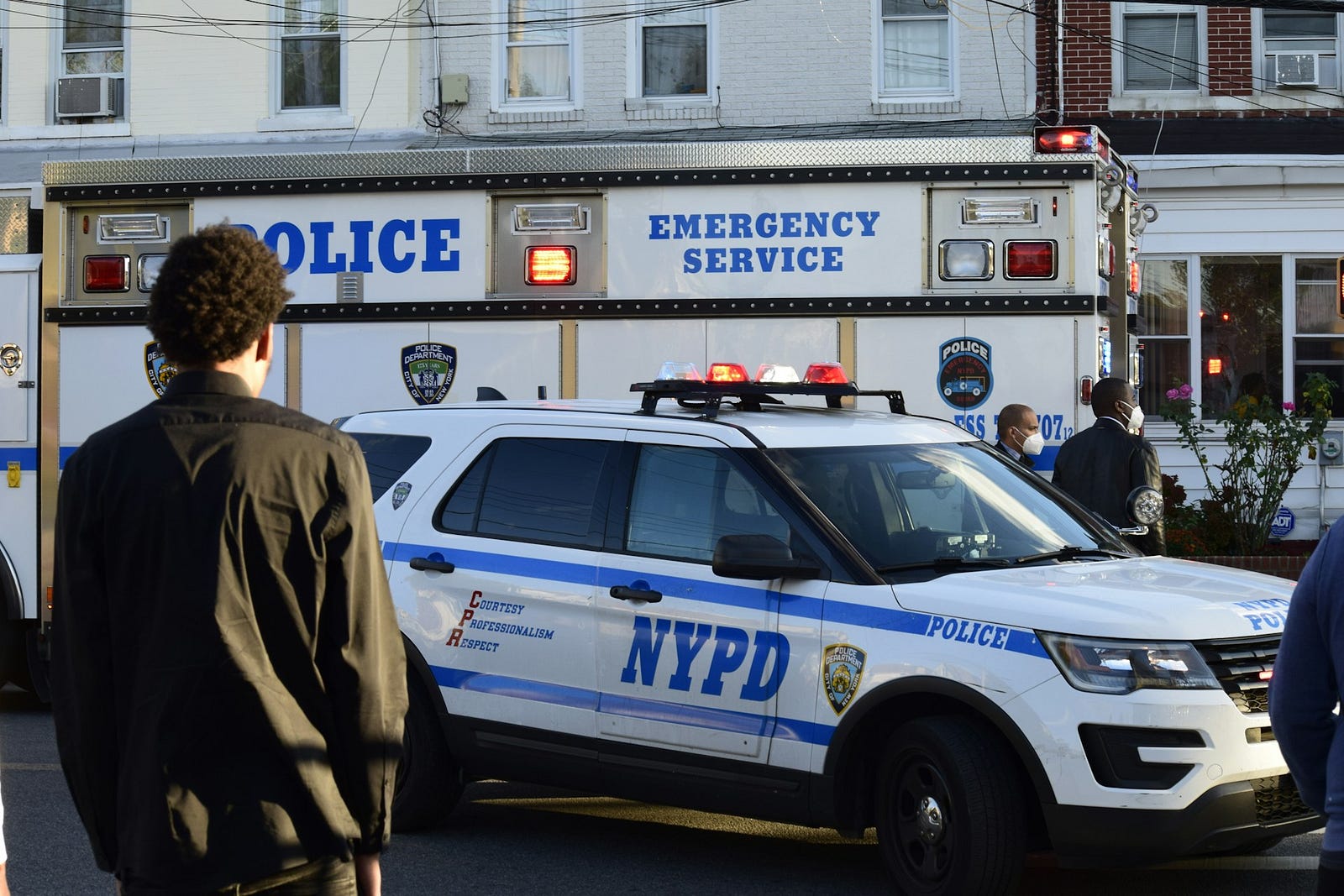
Amid all the gloomy news Americans have absorbed over the past several years, the FBI has delivered something genuinely worth celebrating: The United States is becoming dramatically safer.
Violent crime fell 9.3% in 2025, the largest one-year decline since the FBI began producing national estimates in 1936. Murder fell 18.1%, robbery declined 18.5%, aggravated assault dropped 7.2% and rape fell 7.6%. Motor vehicle theft — which had become an epidemic in many cities — plunged 22.7%. Burglary fell 15.8%, while reported hate-crime incidents declined 7%.
The headline claiming that the murder rate reached a “20-year low” actually understates the achievement. At 4.1 murders per 100,000 people, the 2025 rate tied 1955 and 1956 for the lowest recorded by the FBI. This was not merely the best year in a generation. It was one of the safest years in modern American history.
The numbers are credible. More than 17,000 law-enforcement agencies participated, covering approximately 96% of the population. Some crimes are inevitably unreported, and changes in reporting practices can affect categories such as assault and rape. Murder, however, is difficult to hide statistically. An 18% national decline cannot reasonably be dismissed as a bookkeeping trick.
President Trump is understandably taking a victory lap. Nearly all of 2025 occurred during his administration, and Trump made public safety a priority from the day he returned to office. His administration intensified immigration enforcement, apprehended fugitives, increased federal prosecutions and deployed federal agents and National Guard personnel in several troubled cities.
Washington offers the administration its strongest case. According to the U.S. attorney’s office, homicides fell 45%, carjackings declined 64% and motor vehicle thefts dropped 53% year over year. Those figures require some caution because the D.C. inspector general identified serious weaknesses in the Metropolitan Police Department’s crime-reporting system. Nevertheless, the decline is too large — and too visible — to dismiss altogether.
Trump deserves credit for recognizing something progressive policymakers sometimes forgot during the post-2020 turmoil: Good policing works. Criminals respond to the likelihood of being identified, arrested and prosecuted. Police presence matters. So do competent investigations and political leaders willing to support law enforcement.
But Trump cannot reasonably claim sole authorship of the national decline. Murders began falling during the second half of 2022, while President Biden was still in office, and continued declining in 2023 and 2024. The 2025 result was the third consecutive record-setting annual reduction in murder.
Trump inherited a powerful downward trend. His more defensible claim is that the improvement continued — and accelerated spectacularly — during his first year back in office.
The decline also appeared in cities with very different leaders and public-safety strategies. Buffalo emphasizes community policing, cooperation with residents, video surveillance and cellphone evidence. Denver credits targeted enforcement in high-crime areas, gun seizures, technology and strong investigations. Other cities have invested in violence-intervention programs intended to prevent retaliatory shootings.
These approaches are not necessarily contradictory. The emerging lesson is that effective public safety combines old-fashioned policing with modern technology and community cooperation. Police need residents willing to provide information. Residents are more likely to cooperate when they believe the police are competent, fair and capable of protecting them. Detectives can then combine those tips with cameras, license-plate readers, cellphone records and shared databases to identify dangerous offenders quickly.
The collapse of pandemic-era disorder also contributed. Schools reopened, courts resumed normal operations, police departments adapted and ordinary social life stabilized. Some prolific offenders were incarcerated, while others died during the overdose epidemic. Reduced alcohol consumption and people spending more time at home may have affected violence as well.
One disturbing countertrend deserves attention: Reported assaults on law-enforcement officers reached a 10-year high. The category includes both simple and aggravated assaults, and increased enforcement naturally creates more encounters in which officers can be attacked. Still, a country enjoying historically low murder rates should not accept historically elevated attacks on the people expected to maintain that peace.
Preliminary figures suggest the improvement is continuing. Homicides in 30 large cities fell another 18% during the first half of 2026. Carjackings dropped 47%, while robbery fell 17%. America may be heading toward an even lower murder rate this year.
The political temptation will be to divide the credit between Trump and Biden. That misses the larger accomplishment. The decline began under one president and accelerated under another, while thousands of local police officers, detectives, prosecutors and neighborhood leaders did the work.
Trump should celebrate the result. More importantly, his administration should determine what produced it and help successful local programs expand. America has stumbled into an extraordinary public-safety success. Now it must make sure that success lasts.
(Contributing writer, Brooke Bell)